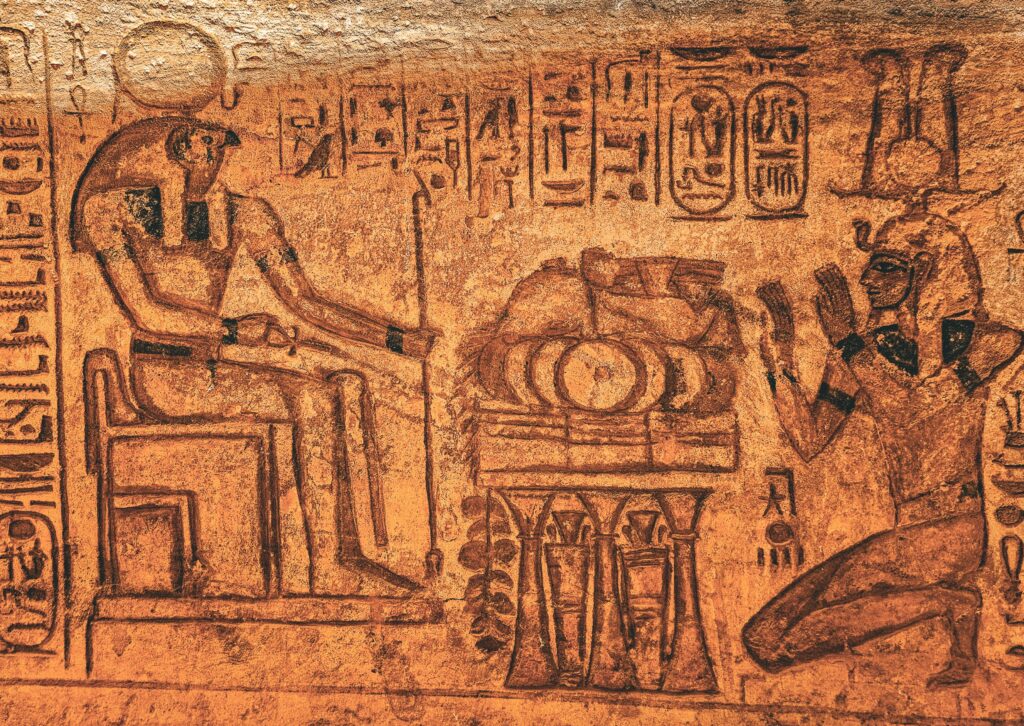
In many African Indigenous spiritual systems, there is a deep reverence for the Ancestors. They are honored, consulted, and called upon in times of need. But contrary to what many think, not everyone who dies becomes an Ancestor. This is especially true in Kemetic spirituality, the ancient African spiritual system of Kemet (modern-day Egypt), where the soul’s journey after death is deeply nuanced and spiritually governed.
Let’s break it down.
In Kemetic thought, the human being is made of multiple parts: Ka (life force), Ba (personality/soul), and Akh/Akhu/Khu (the eternal, divine spark), among others. When someone dies, those parts don’t automatically unify and rise to the spiritual realm. Instead, the soul goes through a process of judgment, transformation, and (if they lived in harmony with Ma’at (truth, balance, justice)) ascension.
But if someone dies without spiritual preparation, community contribution, or proper funerary rites, they become what we call “the dead,” not Ancestors.
They are not evil.
They are not burning in hell.
They are simply… stuck.
An Ancestor is someone who:
Ancestors become guides, protectors, and even co-creators in your manifestation journey. They walk with you. They warn you. They make the unseen path clearer if you listen.
One of the most beautiful aspects of African spiritual systems, including Kemetic belief, is that the dead are not condemned forever. Through rituals, prayers, offerings, and acts of remembrance, they can ascend and join the ranks of the Ancestors.
Think of it as spiritual rehabilitation.
A second chance.
A homecoming.
In the West, manifestation is often hyper-individualized: “I want this, I attract that.” But in Kemetic and Indigenous African thought, manifestation is collective. You manifest for your lineage. Your success isn’t just yours, it’s ancestral.
When you call on your Ancestors while manifesting, you tap into generations of power. You borrow strength from those who survived, loved, led, and protected. In return, you’re expected to live intentionally and build a legacy that someone else will one day honor.
Becoming an Ancestor is about service, consciousness, and continuation. If you want to be remembered as more than just “the dead,” begin preparing now. Not out of fear, but out of love for the ones who will come after you.
Because in Kemetic spirituality, death is not the end — it’s the beginning of your legacy.
Need help tapping into your ancestral power or aligning your manifestations? Follow @blackgirlwhomanifests for weekly wisdom rooted in African spirituality. Join the Patreon group, Black Girls Who Don’t Pray to learn how to switch your prayer points to powerful declarations.