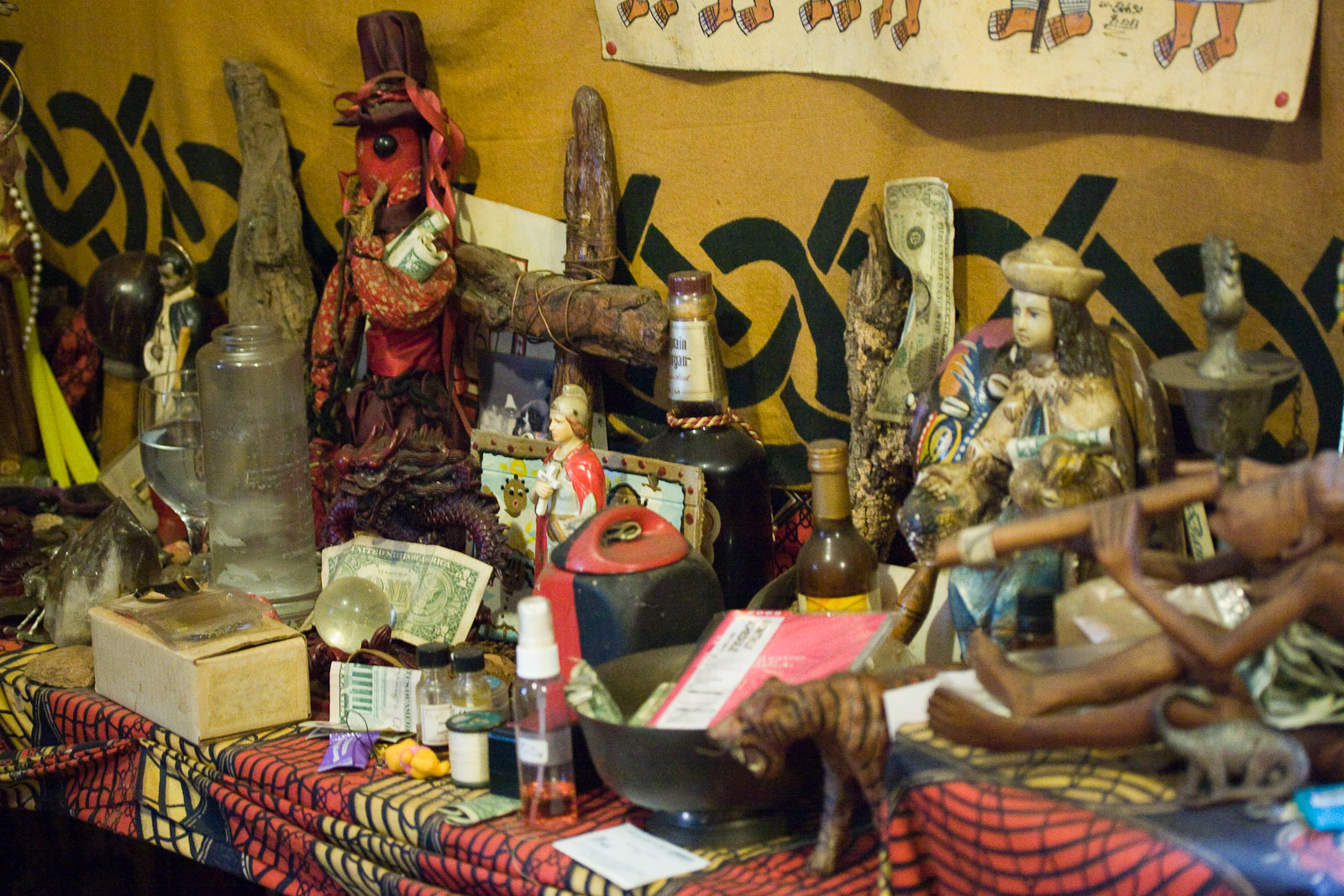
One of the biggest misconceptions about African spirituality is the idea that Africans “worship their Ancestors.” You’ve probably heard people say it before — if they see someone pouring libations, calling on ancestors, or keeping an altar, they jump straight to: “Oh, you’re worshipping the dead.”
But here’s the thing: in most African traditions, that’s not what’s happening at all. Worship and veneration are not the same thing. And understanding the difference changes how you see African spirituality completely.
When outsiders look in, they often assume that speaking to Ancestors, giving offerings, or honoring them is the same as worship. In their minds, worship is any act of reverence. But in African spirituality, worship is reserved for the Supreme Creator (and in some traditions, for other divine beings too).
Ancestors, on the other hand, aren’t gods. They’re family members who lived, struggled, loved, and passed on before us. They’re elders of the lineage, and just like we show respect to living elders, the same honor continues after death.
Now, there is such a thing as ancestral worship, but it’s rare in African contexts. That’s when an ancestor is elevated to the level of a deity and directly prayed to as if they hold ultimate power. You see this more often in some Eastern cultures.
In Africa, even if an Ancestor is deeply revered, they’re usually understood as an intermediary, someone who stands between the living and the Creator, helping guide messages and blessings. They’re honored, yes, but not turned into gods.
Veneration is different. It’s not worship, it’s rather honor. It’s remembrance too. It’s essentially saying:
This can look like pouring water or palm wine, keeping their photos in your home, speaking their names out loud, or setting aside food for them during a celebration.
The belief is simple: Ancestors are still part of the family, just in the spiritual realm. They still care. They still guide. Just like a wise elder in your family might give you advice in life, Ancestors continue to share wisdom, protection, and lessons.
This difference isn’t just semantics – it changes the whole narrative. When people confuse veneration with worship, African spirituality gets framed as “pagan” or “idolatrous.” But if you see it for what it is — veneration — then you realize it’s really an extension of African family values.
Respect for elders doesn’t stop when someone passes. Death doesn’t erase the bond. Veneration is cultural, relational, and deeply tied to community. It’s how African societies keep memory, lineage, and connection alive.
If you’re curious about connecting with your own ancestors in a respectful way, here are some simple practices:
It doesn’t have to be complicated. It’s about acknowledgment, respect, and love.
To put it simply:
And in African spirituality, it’s almost always the second one.
So the next time you hear someone say Africans “worship the dead,” you can correct them: No, we honor the living spirit of those who came before us.