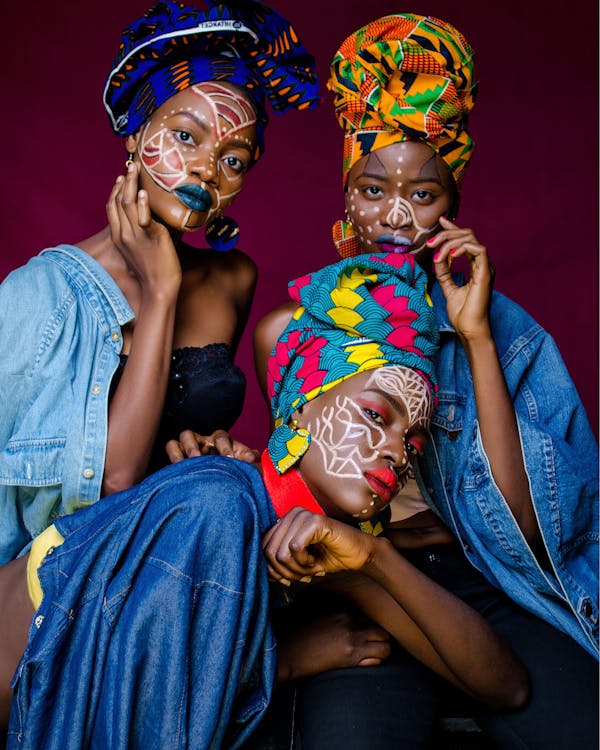
In this article, we will be highlighting six different religious/spiritual ways of life practiced by black people around the world. From Traditional African Religions in West Africa to the Gullah/Geechee practices in Southern USA, we as black people must understand that spirituality is where our power is, and it is how our ancestors rose from the dire situations they were in. Our original spiritualities were taken away and demonized in front of our eyes, then replaced by Religions we were forced to believe in, that’s why many of us struggle today. The aim of this article is to spread knowledge about where we come from spiritually in order to enhance our ways of being.
1) Traditional African Religion
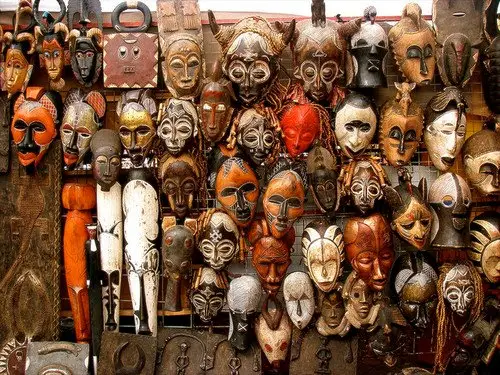
Origins
Even if it has “religion” in it’s name, Traditional African Religion (TAR) is far from that. It is a vast spiritual way of being practiced throughout Africa and the diaspora. Focusing on Animism, Deities, Community and Ancestor Worship, TAR connects culture and spirituality together to ensure the divine guidance of a person.
Animism
TAR has its foundations in Animism, which is the belief that all things — animals and objects included — possess a spirit. This displays the deep love, connection, and respect practitioners have with the nature around them.
Ancestor Worship
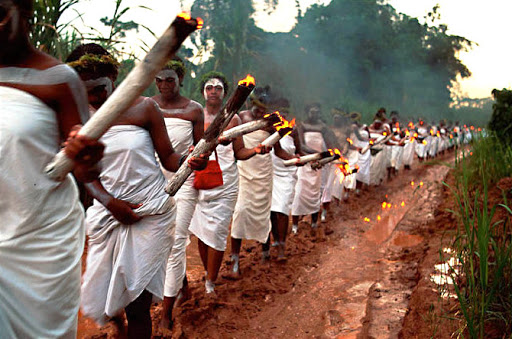
In Ancestor Worship, it is a standard belief that dead family members partake in the daily happenings of the livings journey on Earth. Some believe that Ancestors hold a special power because they are regarded as the portal between us and the higher spirit realm — in other words, we cannot access it without our Ancestors. It is important for practitioners to honour them through offerings and ceremonies so that the guiding relationship is maintained.
Community
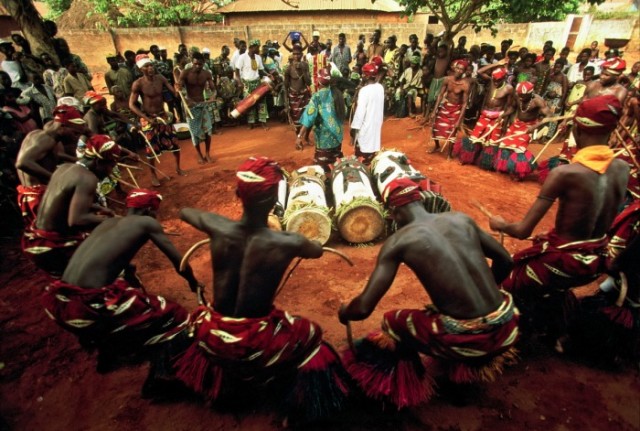
In all African religions, community is considered to be one of the biggest influencers on one’s spiritual journey. It is believed that “the whole is greater than the sum of it’s parts”. The concept of community does not only apply to the living; it transcends space and time to reach the ancestors and even descendants, who are a part of the community too. That is why African spiritualists say we should be aware of our actions, since they affect all in the community, not just the individual.
Deities
Ala
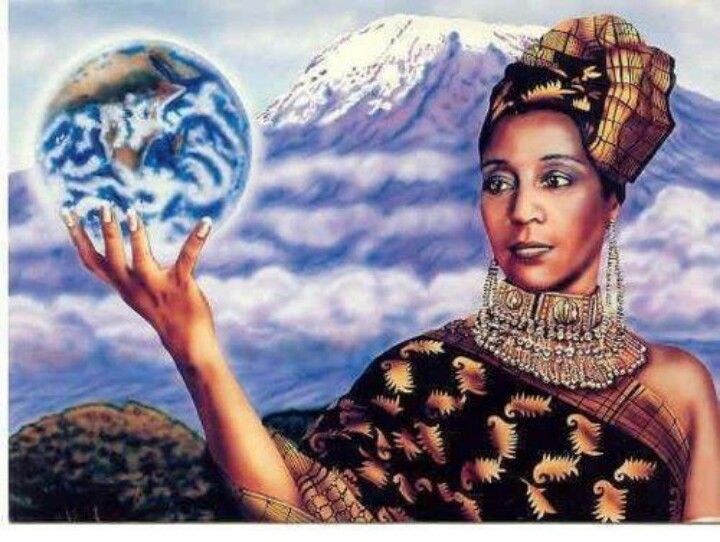
The Goddess of Earth & fertility, Ala protects women and children as she is present at birth and at death.
Oya
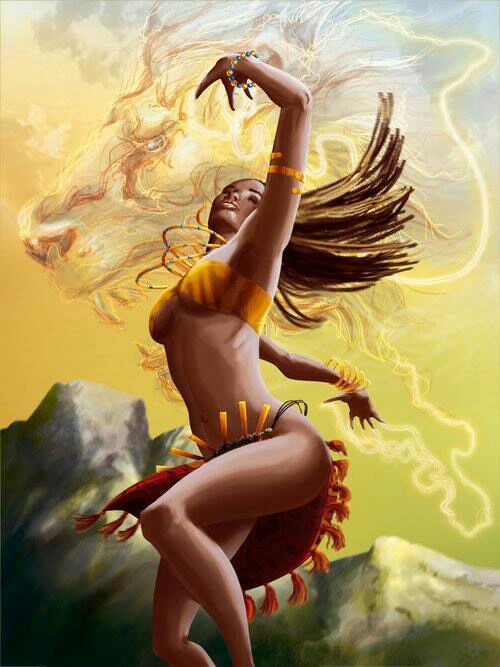
The Goddess of thunder, lightning, storms, and natural disasters, Oya represents sudden transformation and change. Believers call on her for courage during trying times.
Nana Buluku
The Yoruba Goddess who is the creator of the Universe. She offers comfort and strength to those who seek her (mainly serving women), and it is said that her spirit was present for her people during the slave trade.
Shango

After his death, Shango was upgraded to an Orisha (Yoruba deity). His powers consist of breaking hexes/curses, giving rightful justice, and providing courage.
Obatala
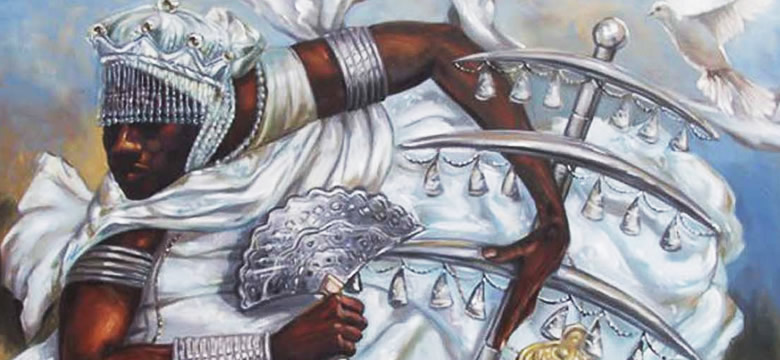
Obatala is the Father of all Orishas and is known as the most powerful God. He is the creator of Earth and all beings that live in it.
Oko
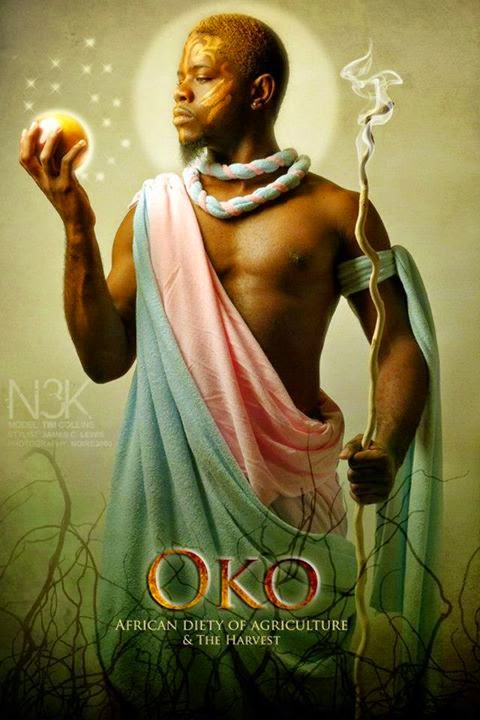
Considered the God of Land, Farming, and Agriculture, Oko reminds us of Earth’s resources and how it represents that we should all be more giving to those less fortunate.
2) Haitian Vodou


Haitian Vodou (Voodoo) is a religion practiced by many in the first Black Republic, Haiti. Vodou is a combination of African spiritualities. The worshipping of spirits is a big theme in this religion, as practitioners perform rituals to honour them. Some of these rituals consist of spirit possession and animal sacrifice. Vodou practitioners are big on the physical expression of their religion through clothing, objects, and decoration.
In this section, we will highlight the different types of spirits, rituals, and healers/healing techniques.
It should be noted that Vodou is said to have played a significant factor in the Haitian Revolution.
Priest (Houngan)
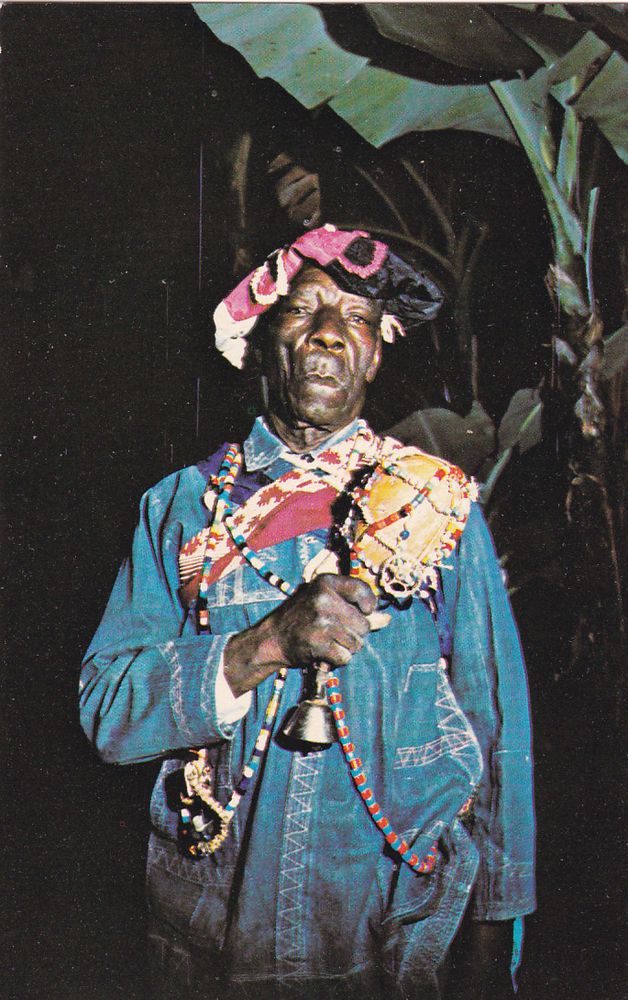
Houngans are Vodou Priests who lead not only their religious followers, but also their community as a whole; with their wisdom, knowledge, and higher connection to the spirit realm.
They are initiated into priesthood in a similar way as the Mambos, with the exception being the division into two levels: Houngan asogwe (high priest) and Houngan sur pwen (junior priest).
Priestess (Mambo)
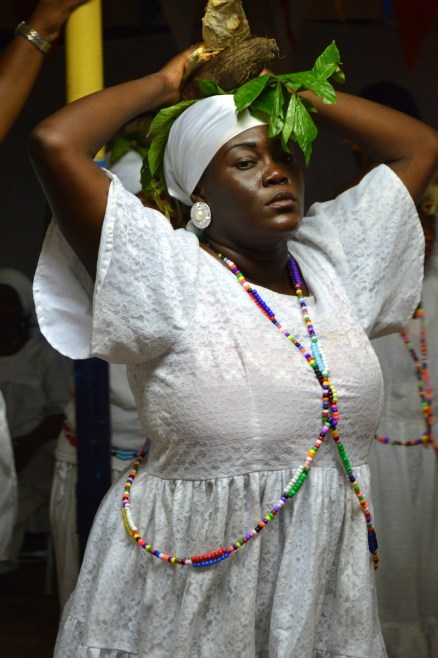
Mambos are Vodou Priestesses whose main duties are to conduct rituals and provide healing.
They are initiated through spirit possession, dreams, and a series of initiation rituals in which they are called to recite spirits by way of character.
Spirits (Loa)
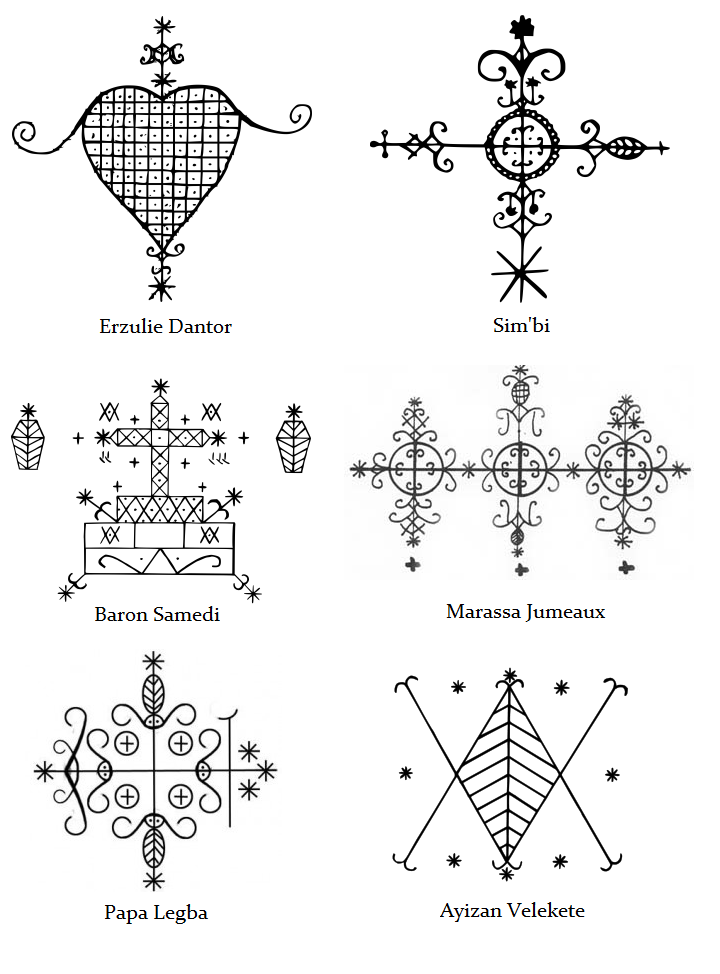
The ultimate creator (God) is referred to as Bondye, and the spirits under it are called Loa.
Much like Traditional African Religions going to God through ancestors, it is understood in Vodou that Bondye cannot be reached without first “consulting” the Loa.
Marassa Jumeaux
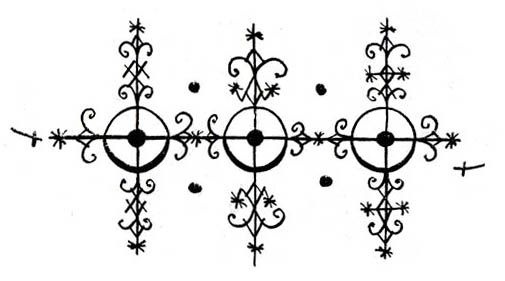
Marassa Jumeaux are divine twins who are said to help with truth and justice matters. This is inherently because of their double-nature, they are able to see all sides as well as maintain balance.
Ayizan Velekete
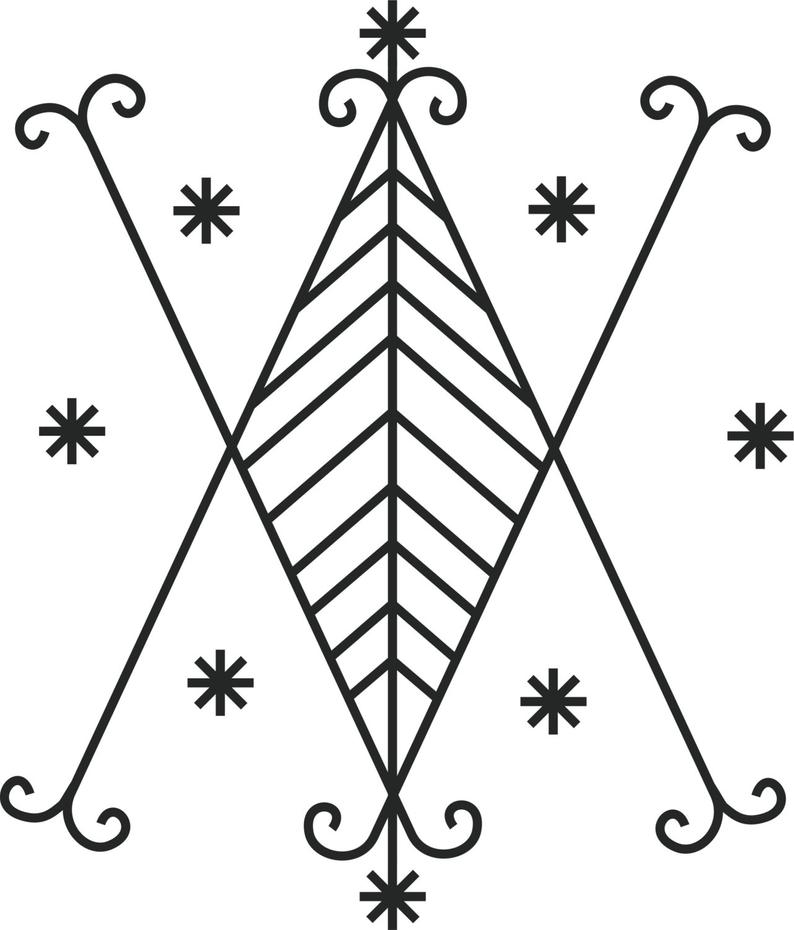
Ayizan Velekete is regarded as one of the most important spirits in Vodou, because she has a deep knowledge for the spirit world and uses that to aide religious ceremonies (particularly initiation).
Sim’bi
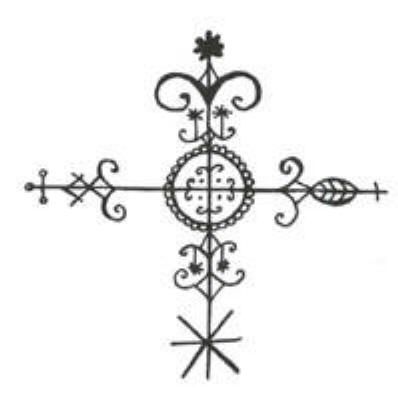
Sim’bi is apart of the Loa family of water and is the master of communication and cleansing.
Water rituals place heavy importance on Sim’bi and during this, aspiring Mambos or Houngans count on Sim’bi to help them deliver profound messages to their followers.
Erzulie Dantor
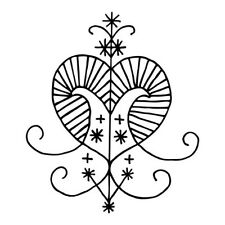
Erzulie Dantor is the Loa that protects mainly women and children. Her grandest expression is through love.
With her guidance, one can easily maintain the romance in their relationships.
Baron Samedi

Baron Samedi connects the living with the dead and has the power to cure any disease; however he requires offerings of cigars, coffee, and rum in order for one to have their healing complete.
Papa Legba

Papa Legba is the Loa that rules communication between the two different worlds of the Loa, and humanity.
He is the Loa that every individual must go through before one can reach other spirits.
3) Louisiana Voodoo (Vodoun)
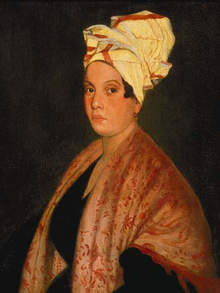
As a variation of Haitian Vodou; Louisiana or New Orleans Voodoo is noticeably different, because it takes inspiration from a multitude of practices in Hoodoo: Southern Folk Magic (gris-gris, mojo bags, etc.), and Catholicism (Saints). The languages associated with Louisiana Vodoun are English and French Creole.
Vodoun practitioners place heavy importance on Vodoun Queens (Marie Laveau), who were regarded as the most powerful leaders in their communities and even served as a bridge between Black and white relations in the south because their presence was so influential.
4) Santeria
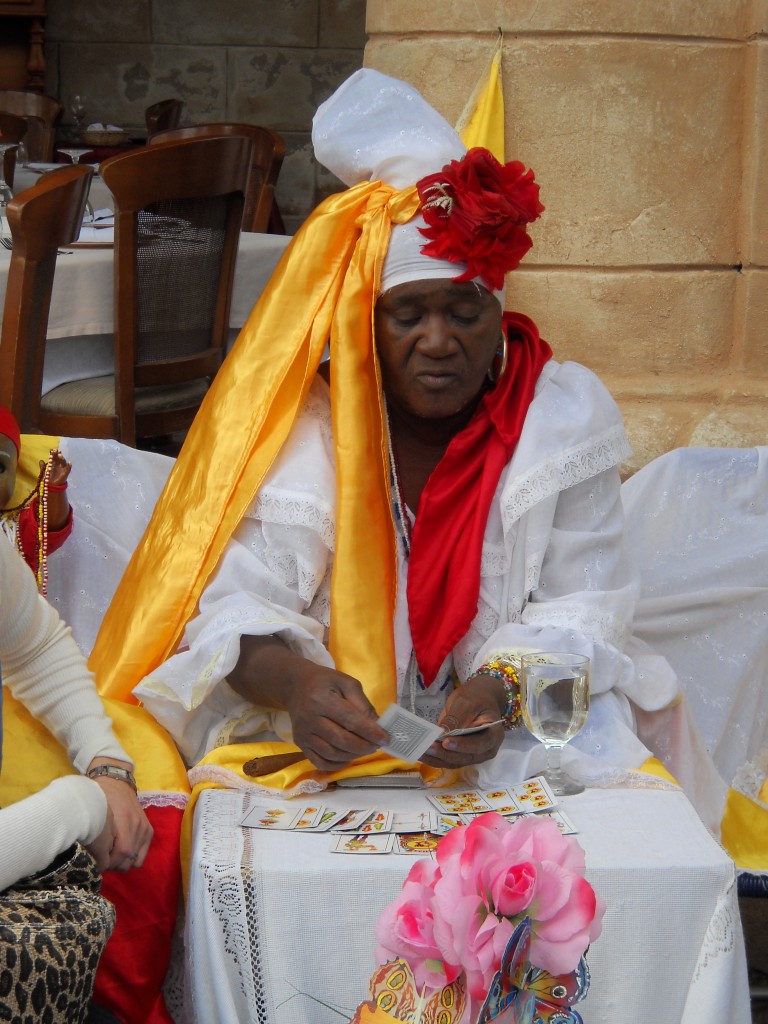
Santeria is a religion that originated in Cuba and was developed through West African spiritual traditions. The key focus in Santeria is divination, as well as animal sacrifice, and honouring their Orisha deities.
Practitioners of Santeria consider the Lucumí language to be sacred, and use it as communication to the spirit world during rituals. It consists of Yoruba, Spanish, and a few Bantu languages.
The Santeros and Santeras (Priests and Priestesses) are initiated into their positions through a series of rituals testing their faith, knowledge, and moral strength. Once the initiation rituals are complete, they undergo a probationary period (iyaboraje) where they aren’t yet able to perform certain healing/cleansing rituals.
5) Rastafarianism

Rastafarianism is a spiritual movement that began in Jamaica, citing their God (Jah) to be incarnated as Ethiopia’s Haile Selassie. Rastafarianism centralizes its focus on black empowerment, particularly the idea that the black race is the most superior.
In this section, we will follow the Rastafarian beliefs and practices, from diets and (dread)locks, to Afrocentrism and music.
Notable Figures & Beliefs
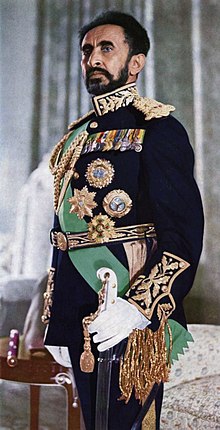
The Rastafarian name derives from Emperor Haile Selassie’s birth name: Ras Tafari. Though his legacy is controversial, he is an important figure in Rastafarianism because of the fact that he rejected westernized ideals and ruled an African nation as a black man.

Jamaican activist Marcus Garvey, is one of the pioneers in Rastalogy (Rastafarian belief system). He promoted ideas such as mass migration back to Africa and separatism. His quote, “Look to Africa where a black king shall be crowned, he shall be your Redeemer” is essentially the cornerstone of the Rastafarian movement.
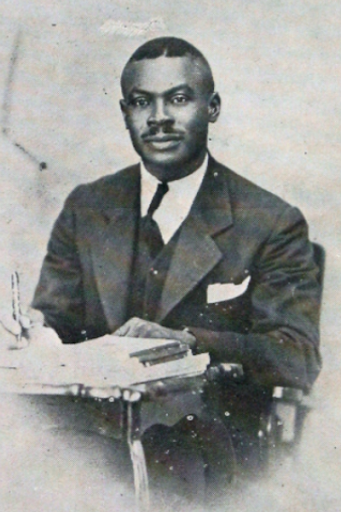
Leonard P. Howell initiated the first wave of Rastafarianism in 1935, and many of his teachings set the foundation of what it is today. He detailed the basic principles of Rastafarianism that believers should follow.
Dreadlocks
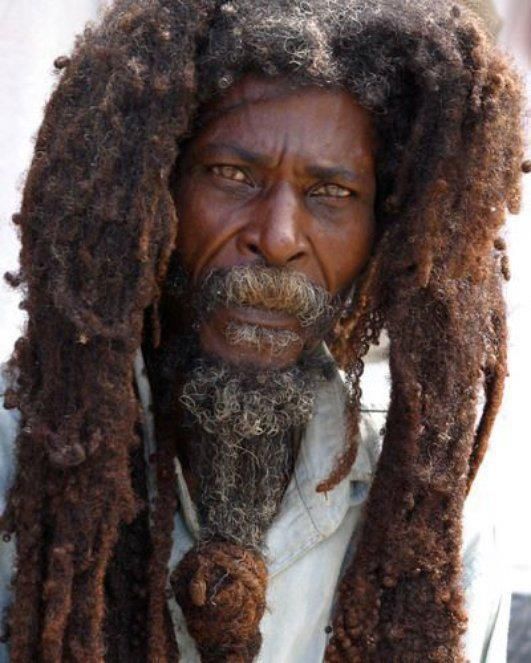
In the Rasta movement, dreadlocks are considered to be a symbol of one’s strength, and the longer they are, the more advanced one is in their spiritual journey. Rastafarians believe that dreadlocks teach patience, wisdom, and self-appreciation of one’s natural African features.
The ITAL Diet
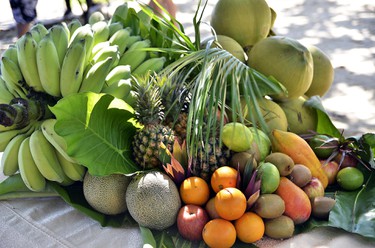
Coming from the word Vital with the ‘V’ removed, the Ital diet promotes a lifestyle dedicated to consuming natural food from the Earth. It is believed that one’s health is optimized with this diet.
The diet consists of mainly plant-based foods, no salt, and no alcohol.
6) Gullah/Geechee
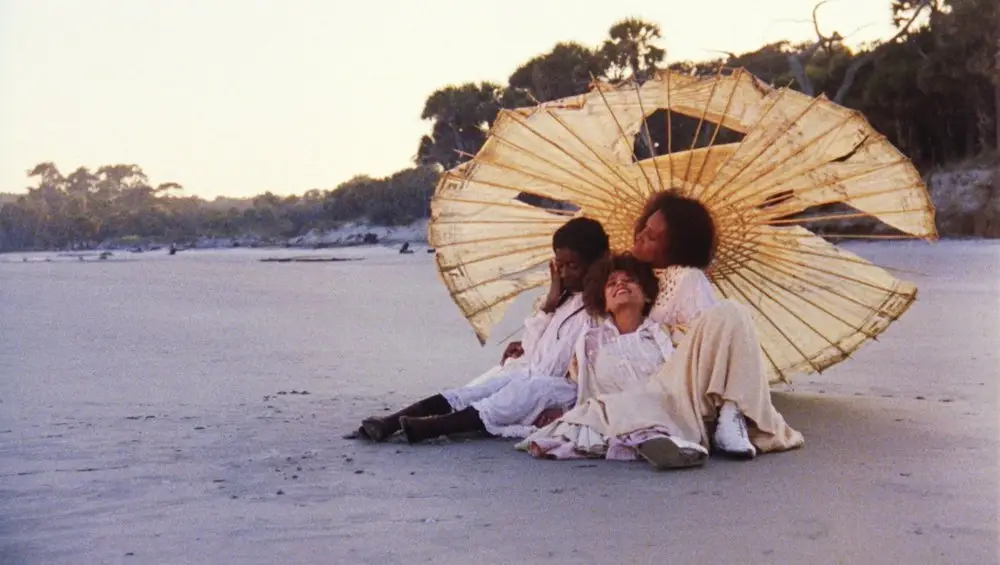
The Gullah/Geechee people are African-Americans that live in the coastal regions of Georgia, South Carolina, and Florida. They have a deep spiritual connection to nature, their African heritage, their elders & ancestors, and community.
In this section we’ll explore the Gullah/Geechee spiritual beliefs and the customs surrounding them.
Spiritual Traditions
Haint Blue Ceilings

The Gullah people started the tradition of painting porch ceilings a certain shade of blue. They believe that this wards off ghosts and evil spirits (Haints).
Saraka
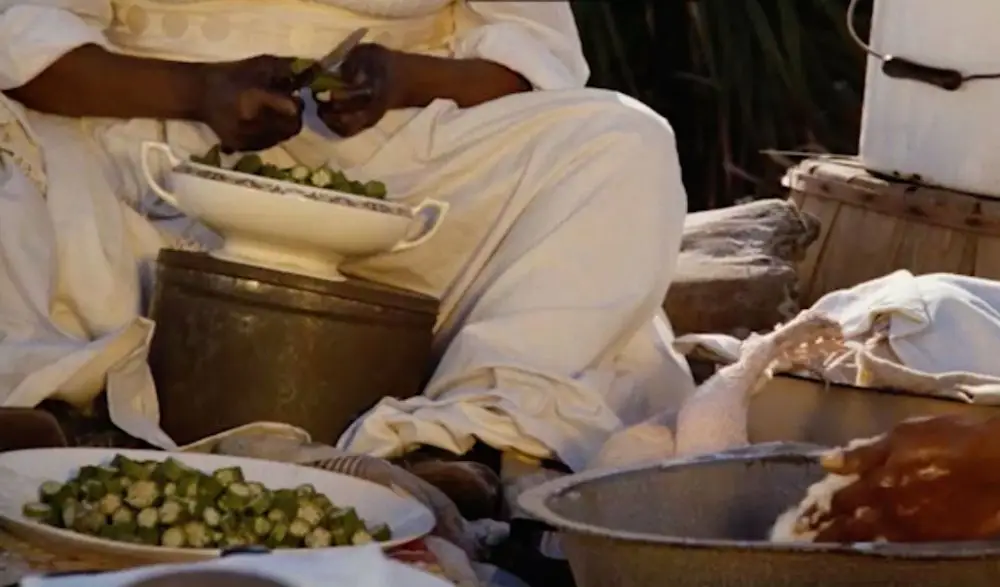
A cooking ceremony that follows the death of a loved one. As they eat, the soul of the loved one is offered a plate of the same food (this is the beginning of Ancestor offerings).
Ring Shout

A ritual in which singers form themselves in a moving circle while clapping and stomping their feet. The Gullah people continued this tradition from their enslaved ancestors from West Africa, where the purpose was to pay tribute to the Gods.