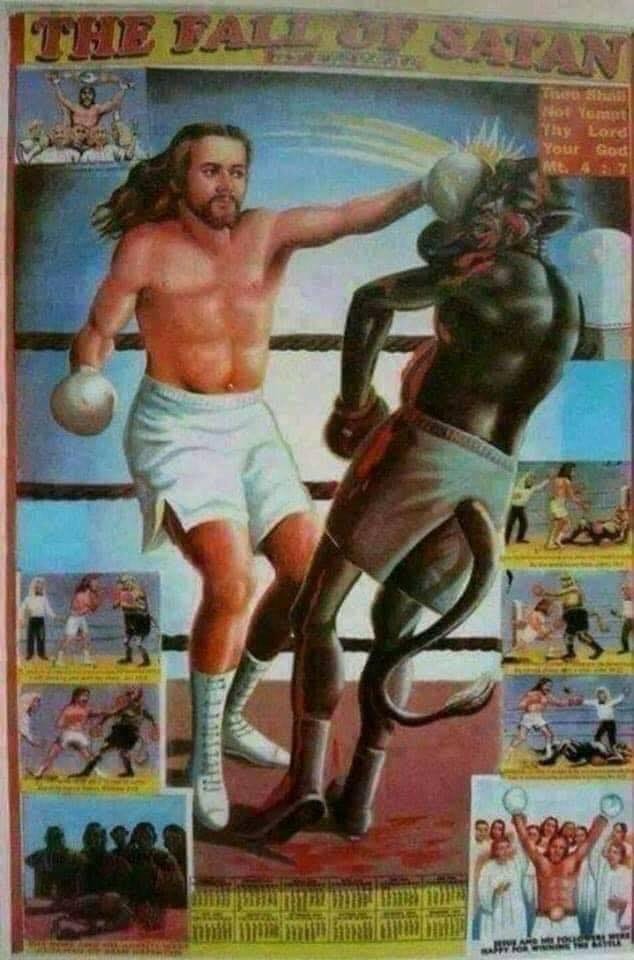
How African Spirituality Was Demonized
When people think about African spirituality, a lot of them still picture “witchcraft,” dark rituals, or some scary movie scene. But the truth is, that image didn’t come from us. It was built. On purpose.
When people think about African spirituality, a lot of them still picture “witchcraft,” dark rituals, or some scary movie scene. But the truth is, that image didn’t come from us. It was built. On purpose.
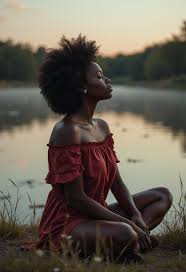
A lot of us know the feeling: that gut nudge, that little whisper that says “don’t do this” or “go that way instead.” Some people call it intuition. In African spirituality, we see it as something deeper: one of the main ways our Ancestors speak to us.
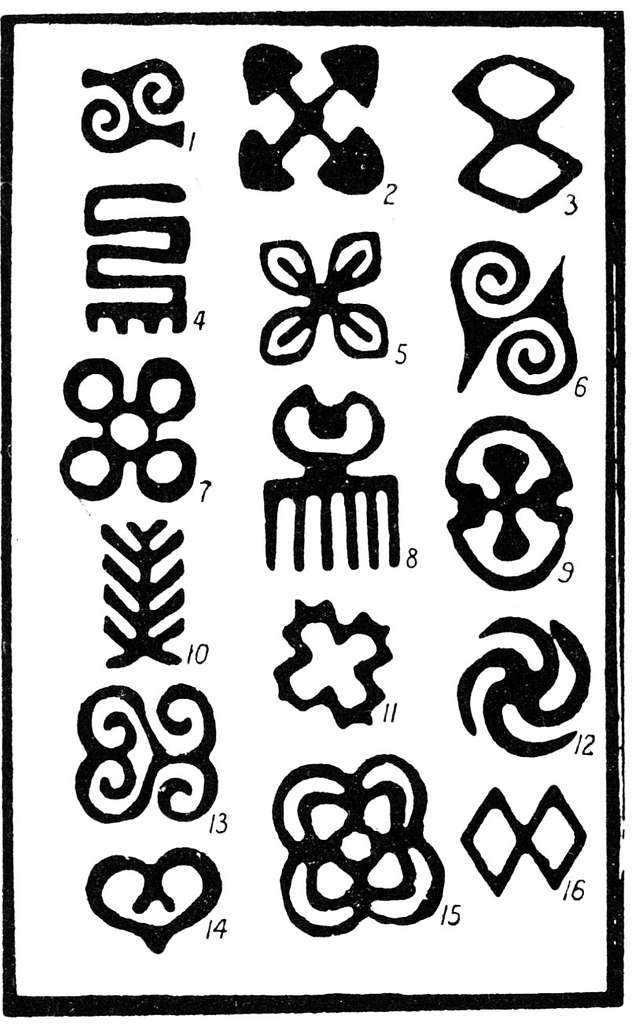
When I was Christian, the only symbol that really mattered to me was the cross. It was everywhere: on necklaces, in churches, in songs. But after my cultural awakening, I started to realize something: symbols don’t just represent faith, they carry codes.
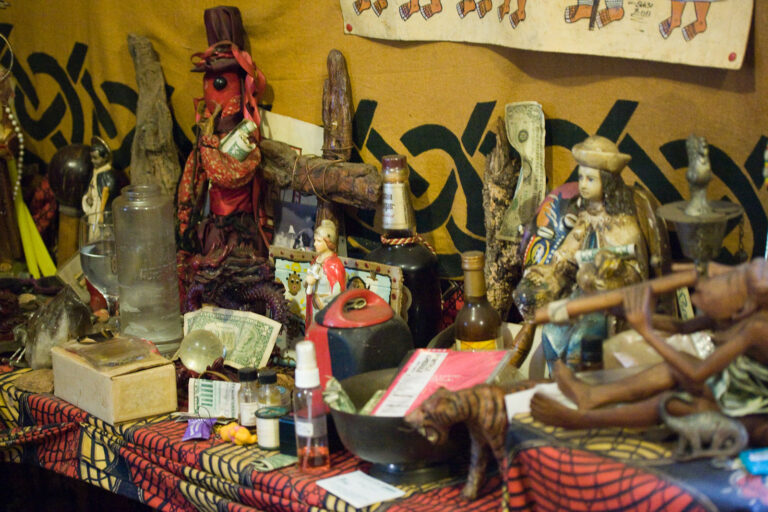
One of the biggest misconceptions about African spirituality is the idea that Africans “worship their Ancestors.” You’ve probably heard people say it before — if they see someone pouring libations, calling on ancestors, or keeping an altar, they jump straight to: “Oh, you’re worshipping the dead.”
But here’s the thing: in most African traditions, that’s not what’s happening at all. Worship and veneration are not the same thing. And understanding the difference changes how you see African spirituality completely.
If you grew up Christian, Muslim, or even just in a world that didn’t really believe in much, you might be feeling called back to something deeper. Something older. That’s African spirituality.
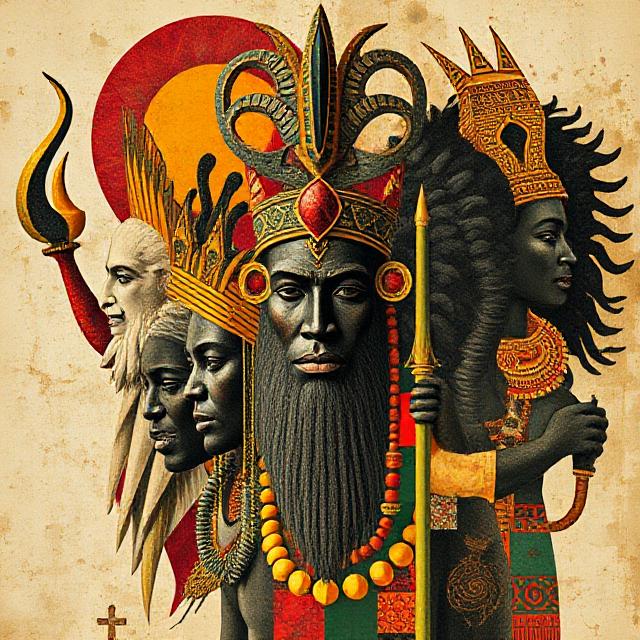
Let’s journey across Africa to meet six of the continent’s most revered Supreme Creators, beings who represent not only the beginning of life, but the blueprint for how life should be lived: in harmony with nature, Ancestors, and spirit.
When people think about African spirituality, a lot of them still picture “witchcraft,” dark rituals, or some scary movie scene. But the truth is, that image didn’t come from us. It was built. On purpose.
A lot of us know the feeling: that gut nudge, that little whisper that says “don’t do this” or “go that way instead.” Some people call it intuition. In African spirituality, we see it as something deeper: one of the main ways our Ancestors speak to us.
When I was Christian, the only symbol that really mattered to me was the cross. It was everywhere: on necklaces, in churches, in songs. But after my cultural awakening, I started to realize something: symbols don’t just represent faith, they carry codes.
One of the biggest misconceptions about African spirituality is the idea that Africans “worship their Ancestors.” You’ve probably heard people say it before — if they see someone pouring libations, calling on ancestors, or keeping an altar, they jump straight to: “Oh, you’re worshipping the dead.”
But here’s the thing: in most African traditions, that’s not what’s happening at all. Worship and veneration are not the same thing. And understanding the difference changes how you see African spirituality completely.
If you grew up Christian, Muslim, or even just in a world that didn’t really believe in much, you might be feeling called back to something deeper. Something older. That’s African spirituality.
Let’s journey across Africa to meet six of the continent’s most revered Supreme Creators, beings who represent not only the beginning of life, but the blueprint for how life should be lived: in harmony with nature, Ancestors, and spirit.